
We’ve all seen it: the glossy brochure showing a smiling family, sun-kissed hair, and a flawless cruise near Sand Island. The local dealer—the one sometimes based in Little Rock but whose presence we all feel—sells you the dream. They are very, very good at it.
But they are very, very good at ignoring the details that matter to locals. In 2026, when you are actually spending your weekends near Jordan Marina or Tracy Ferry Marina, the reality changes. As someone who has spent years on this lake analyzing trends, local ecological dynamics, and the precise economic reasons to own—or just Boat Rentals—a vessel, I can be brutally honest.
Before you put a deposit down on that new pontoon (we just updated our comprehensive Norfork Lake Pontoon Boat Ownership Costs (2026 Edition) guide for that exact reason), you must run the local numbers honestly.
Why dealers generalization fails
Dealers use national averages. They tell you a generic number for fuel and storage. That generic data is dangerously misleading near Mountain Home, AR. A generic MPG estimate doesn’t apply when you are fighting the flow from the Dam access to Panther Bay. Our specialized calculator requires brutally honest inputs—inputs the dealers avoid mentioning.
The Hidden Costs Checklist (The Local Edition)
If you are determined to invest in a mid-life crisis this season, at least do it with your local filters on. Here are the 7 localized, technical expenses dealers avoid mentioning.
Pro Tip: Take it from a local Arkansas tailwater guide who has seen a thousand ‘bargain’ boats become ‘never again’ nightmares. National data leads to expensive regret. Know the Norfork.
1. The Marina Factor (Jordan vs. Panther Bay)
Your first massive input in our specialized calculator is choosing where you are keeping the vessel. Dealers mention ‘slips’ generally, but they won’t tell you that a slip at Jordan Marina near the dam costs significantly more than a dry storage unit miles up the road toward Panther Bay. Choosing the specific marina changes your math. Our Boat Ownership Cost Calculator compares actual 2026 local data for slips vs. storage.
2. Arkansas ‘Trout Trap’ Insurance
Norfork is a deep-water lake with submerged trees (locals call them ‘snags’). Hull damage from these local ecosphere snags is a brutally honest local reality. Dealers mention standard liability, not comprehensive coverage against localized risks. Your generic insurance average won’t save you when your new prop is shredded on a submerged tree near Quarry Park Point. You cannot skimp on localized insurance.
3. The USACE ‘Sand Trap’
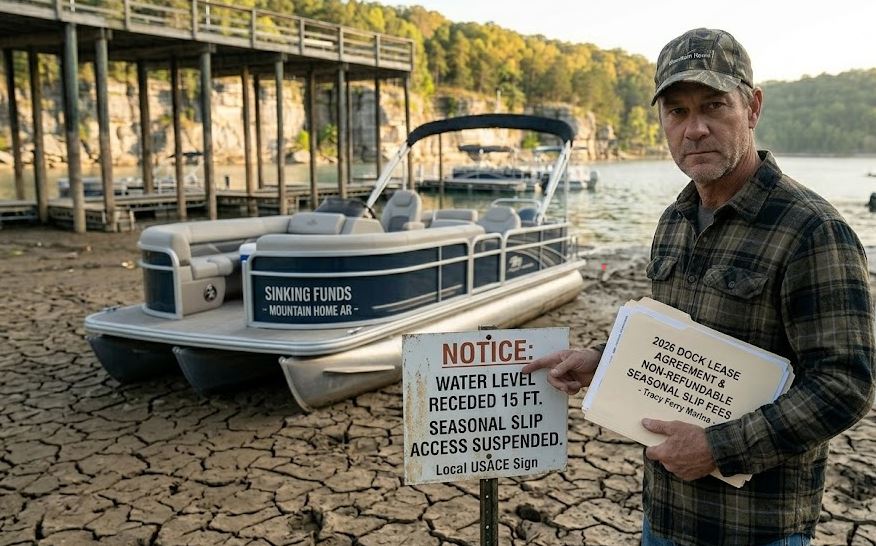
Google’s sandbox is a real constraint for a restoring site, and a dealer’s silence on this issue is equally dangerous. Dealers never tell you that if the USACE lowers the Current Norfork Lake Level by 10 feet, your preferred marina slip at Tracy Ferry is unusable mud. If your slip is dry, your ‘smart investment’ is a financial trap. We update these levels weekly for a reason.
4. Local Custom Accessories (‘The Tiki Tax’)
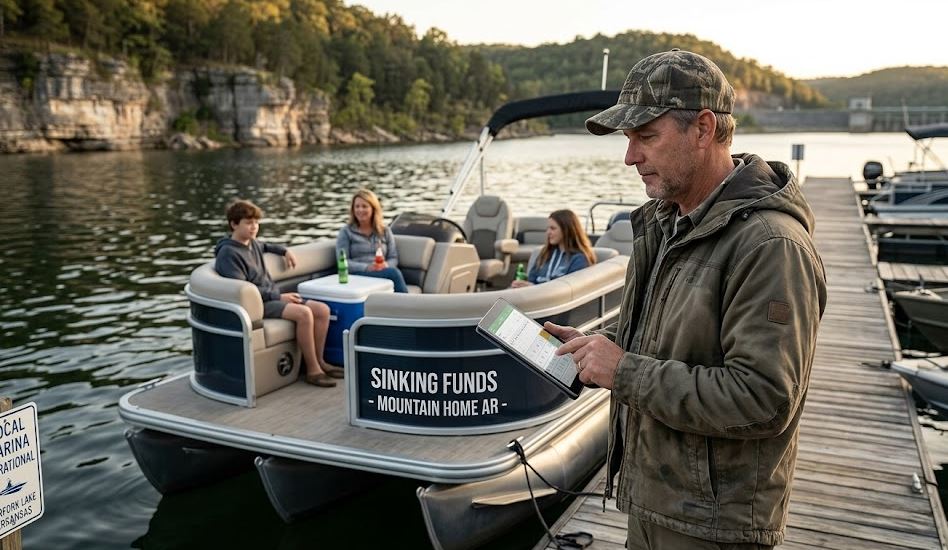
Everyone wants to look local, not generic. Sarcasm applied here… or you could always just get “Boat” in electrical tape, right? We have an excellent list of 101 Funny Boat Names if you’re stuck, but getting a name like “Sinking Funds” applied by a Mountain Home local isn’t $20.
5. Local Fuel Realities
Generic MPG estimates don’t apply when you are fighting the flow from the Dam access to Sand Island during generation.
6. AGFC Compliance (More Than just a License)
Arkansas specific rules, set by the AGFC (Arkansas Game & Fish Commission). If you are new to the lake, do not generalize. Read our Hickory Creek Marina AR guide for specific rules about the types of vessels and licenses needed there.
7. Depreciation Realities (Arkansas Market 2026)
Local used market analyst view: Pontoons aren’t financial investments. They are a lifestyle investment that can be brilliant or a brutal trap. In 2026, the local Mountain Home used market is saturated. The ultimate reality check is running the brutally honest numbers using our calculator before you pull the trigger.
Financial investmenst appreciate. Boats are a brutal financial trap if you buy the national dream. They are a brilliant local lifestyle reality if you buy the Norfork Lake data first and know your specific marina costs. Use the calculator. Then, maybe, get ready to find a name from our list.